• Skip to primary navigation
  • Skip to main content

History 111

Fall 2019

  • Syllabus
  • Course schedule
  • Assignments
  • Resources

Leslie Madsen

Creative Commons and finding openly licensed images

Creative Commons and finding openly licensed images

by Leslie Madsen · Oct 29, 2019

Because they may be used by the Wassmuth Center in posters at the Idaho Anne Frank Human Rights Memorial, it’s very important that the images you include with your Upstander biography be free of traditional copyright.

Fortunately, it’s fairly simple to find images that are “openly licensed”—meaning they aren’t under traditional copyright. But first, let’s take a look at categories of copyright:

Copyright and the Public Domain

In the U.S., under copyright law, works are either copyrighted or not. If they are not copyrighted, they are considered to be in “the public domain,” and you can use them in any way you wish.

Stanford University offers a good guide with more details on determining whether a work is in the public domain, but here’s the vast majority of what you need to know:

  • Works published in the U.S. before 1924: In the public domain.
  • Works published in the U.S. after 1923 but before 1964: Initially copyrighted for 28 years. If not renewed during the 28th year, the work falls into the public domain. (
  • Works published in the U.S. after 1923 but before March 1, 1989: Generally, if a work was published without copyright notice under the authorization of the copyright owner and the law does not provide an exception for the omission, the work is in the public domain. This category is a bit of a legal minefield, so I encourage you to simply find images published before 1924.

Creative Commons

Creative Commons is a way for intellectual property owners (the creators of works that would normally be under copyright) to provide more flexible licensing of their work. There are several versions of Creative Commons licenses. You can read more about them at the Creative Commons website.

Finding openly licensed images

There are many places to find images that are in the public domain or that are licensed under Creative Commons. Here are my favorites:

The Library of Congress

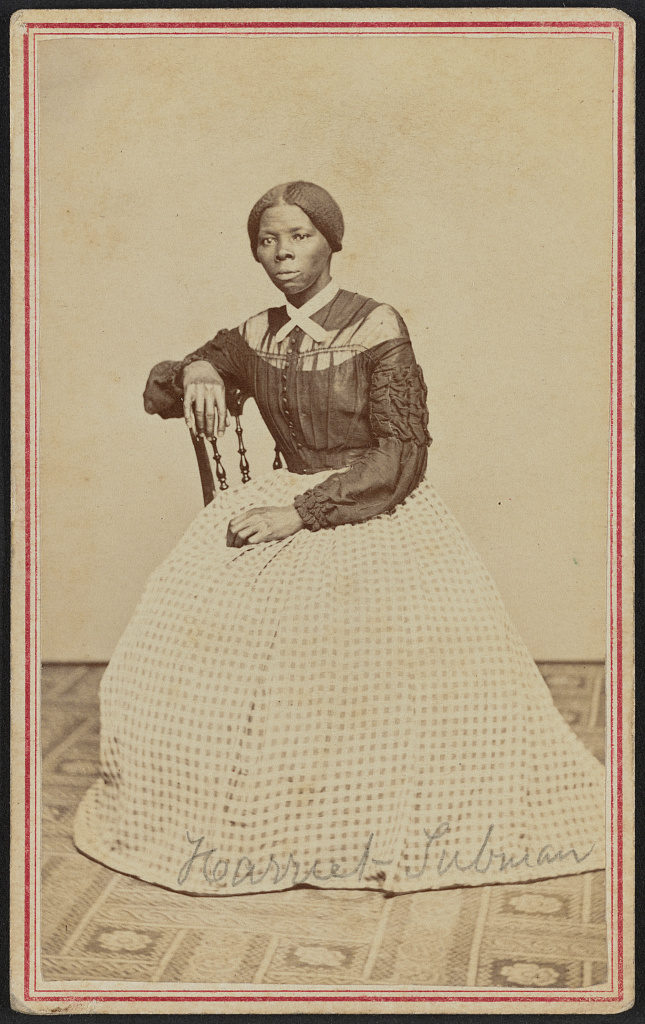
Each digitized item in the Library of Congress’s database has rights and access information. Here’s an example from a photo of Harriet Tubman:
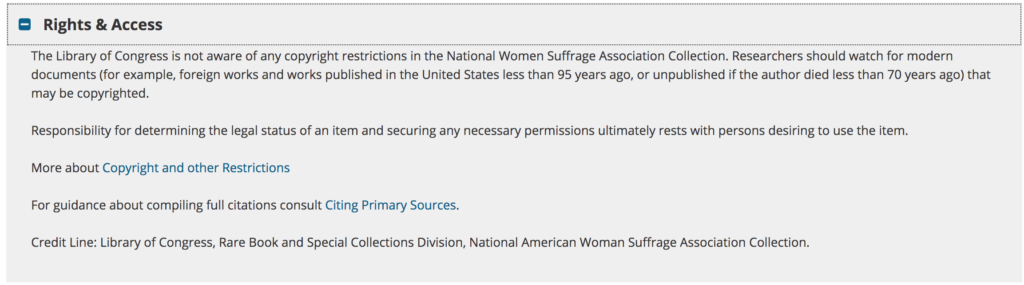
Rights and access info from a photo of Harriet Tubman. The text begins "The Library of Congress is not aware of any copyright restrictions. . ." and then reminds researchers that determining copyright is the researchers' responsibility.

Google image search

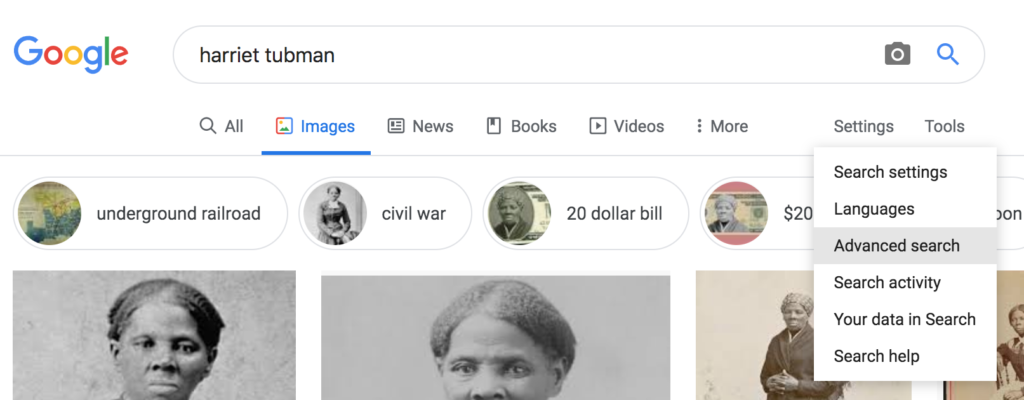
Google lets you sort images by license. Here’s how:

1. Enter a search term into the search box and hit “enter” or “return” on your keyboard.

2. On the results page, hover over “Settings” just below the search bar. Select “Advanced search” from the drop-down menu:
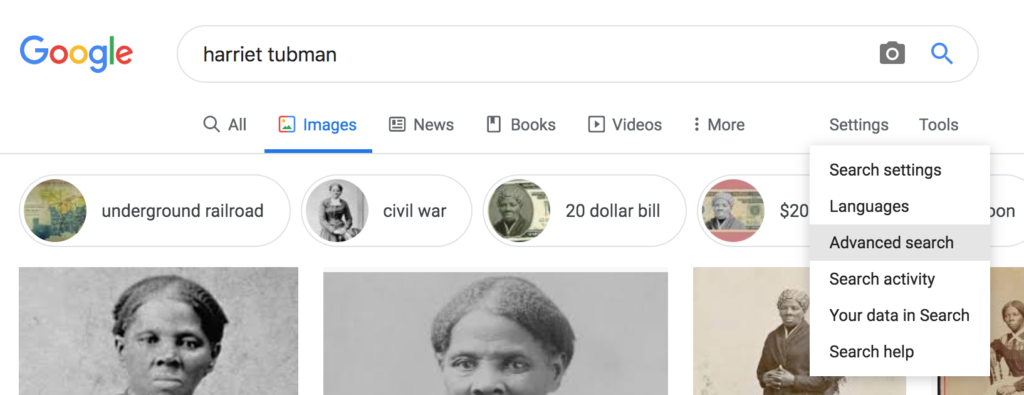
Google image search results page with Settings drop-down menu highlighting "Advanced search."

3. Scroll down to the bottom of the Advanced Image Search page. In the drop-down menu next to “usage rights,” select “free to use or share.” Then

4. Click the blue “Advanced Search” button at the bottom of the page.

Be sure to double-check the licensing of your image by reading the terms for the website on which it appears. Sometimes Google picks up images that aren’t actually openly licensed.

Creative Commons image search

Creative Commons provides its own image search engine. Use the drop-down menus on the search results page to refine your results.

Flickr

Flickr is a photo-sharing site. Many museums and archives will share images from their collections there. You can also find current photos of historic sites related to your upstander.

1. Simply type a search term into the search bar on the Flickr home page.

2. Open the drop-down menu for “Any license.”

3. Select either “All creative commons” or other appropriate license that indicates images in the public domain (e.g., “No known copyright restrictions” or “U.S. Government works”):
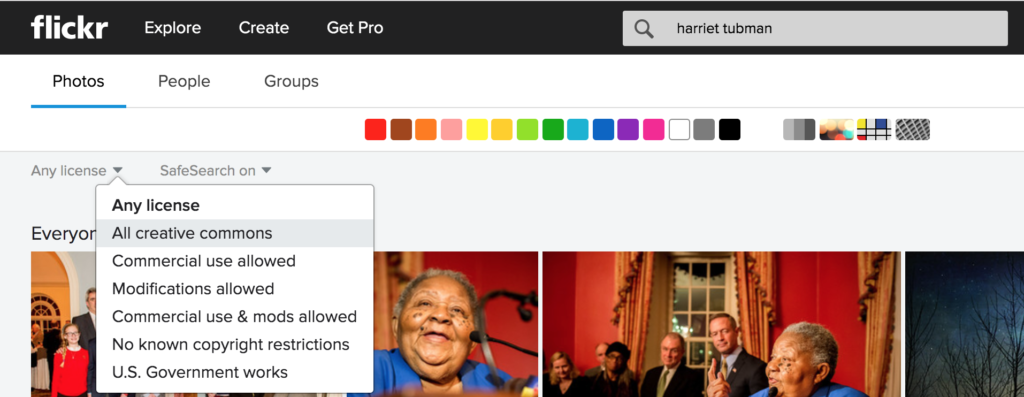
Flickr search results page. The "Any license" drop-down menu is open.

Filed Under: Material from class sessions, Resources

Material culture

Material culture

by Leslie Madsen · Oct 17, 2019

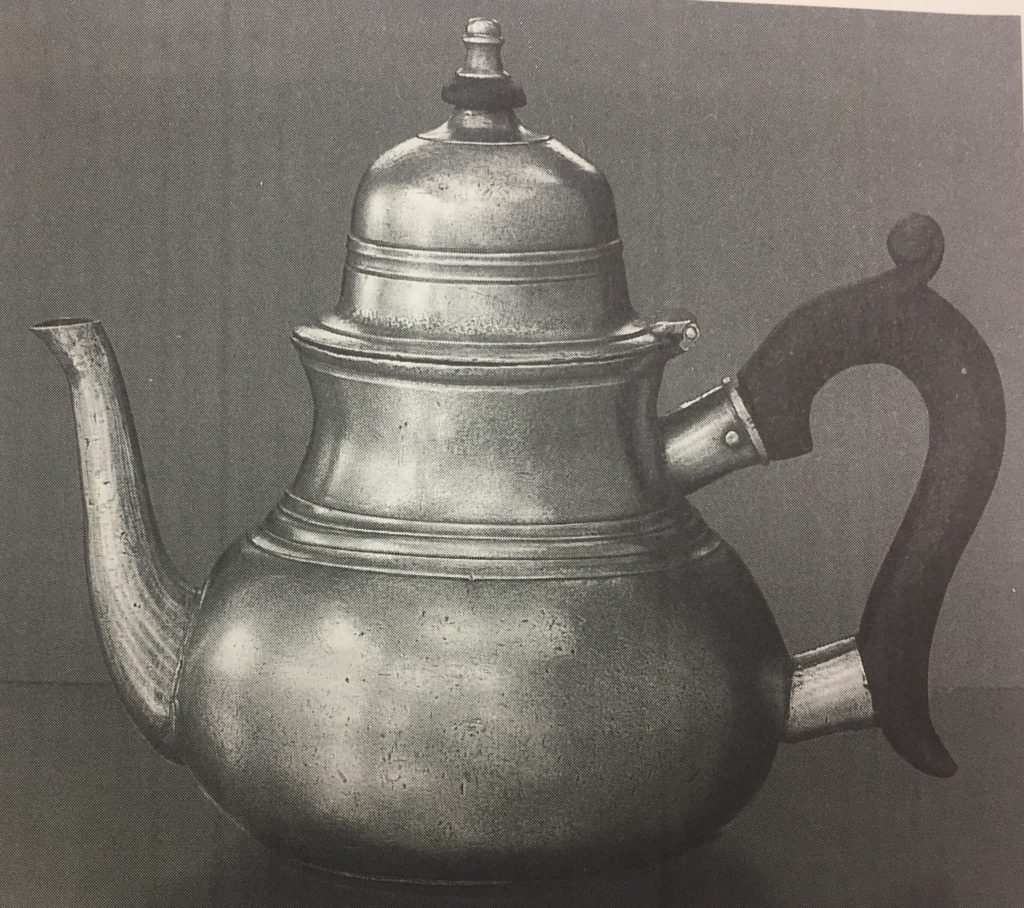
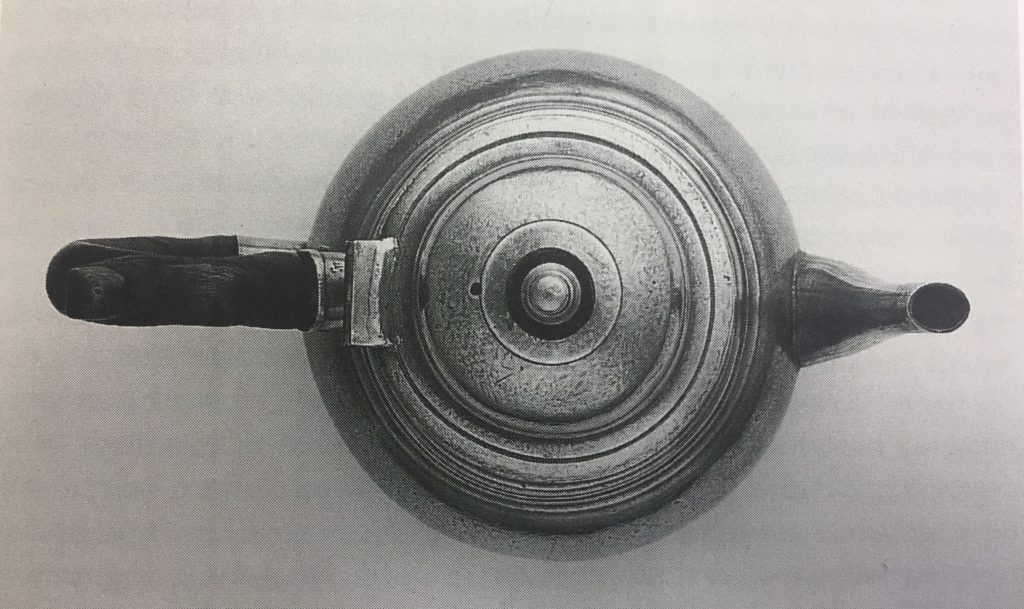
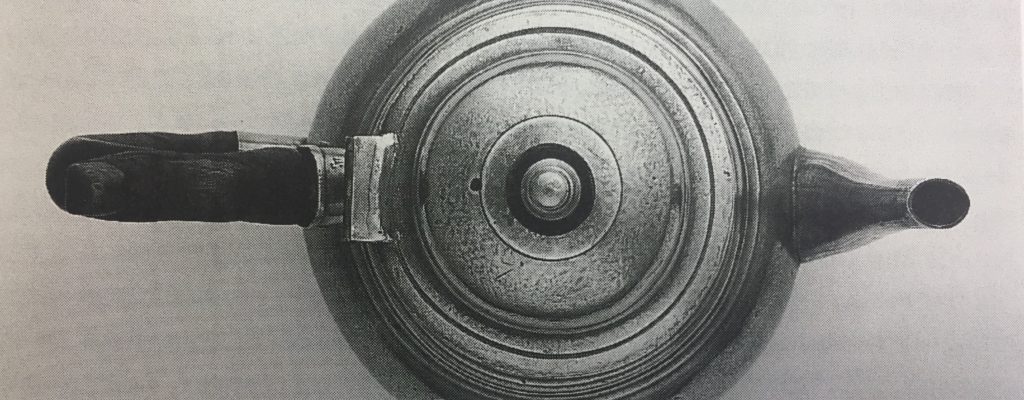
A small pewter teapot seen from the side
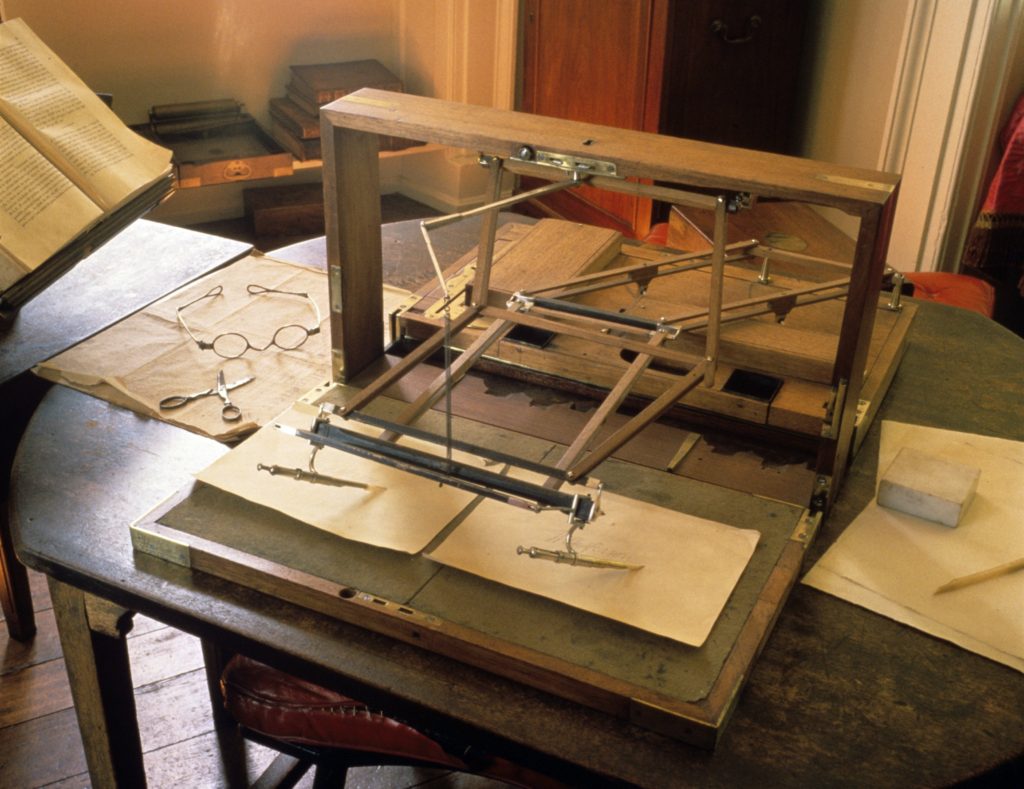
An early nineteenth-century device used to copy letters

Racist stereotypes

Jim Crow Museum of Racist Memorabilia

Content note: The image galleries below contain racist depictions of African Americans. You may find them deeply disturbing or upsetting.

  • Coon stereotype gallery
  • Golliwog stereotype gallery
  • Picaninny stereotype gallery
  • Mammy stereotype gallery
  • Jezebel stereotype gallery
  • Brute stereotype gallery
  • Tom stereotype gallery
  • N*gger and caricature gallery
  • Sapphire caricature

“Post Falls Company Under Fire for Racist Stereotypes”

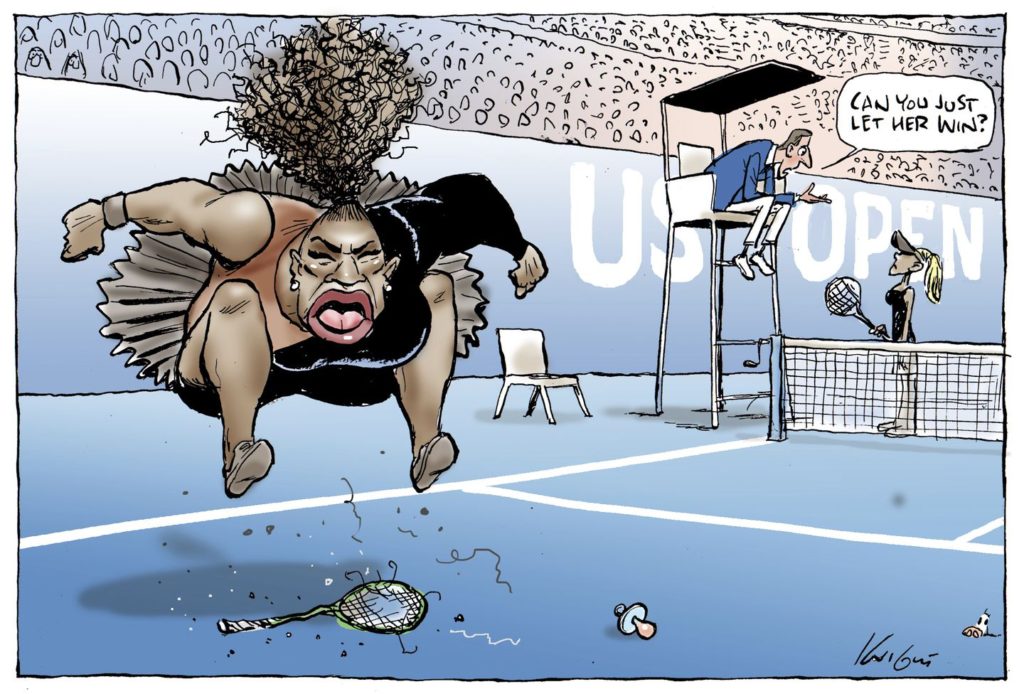
Unflattering cartoon by Mark Knight of Serena Williams stomping on her tennis racket
Cartoon by Mark Knight, 2018

Additional resources

Jules Prown’s method of material culture analysis

Virtual tour of Jim Crow Museum of Racist Memorabilia

David Pilgrim, “Why I Collect Racist Objects”

Brooke Newman, “The long history behind the racist attacks on Serena Williams”

Filed Under: Material from class sessions

Finding and making sense of primary sources

Finding and making sense of primary sources

by Leslie Madsen · Oct 15, 2019

Photograph shows Harriet Tubman (1822-1913) at midlife. She is seated, turned toward the left. One hand rests on the back of a wooden chair, another rests in her lap.
Portrait of Harriet Tubman by Benjamin Powelson, circa 1868. Library of Congress Prints and Photographs Division.

Where to find primary sources

  • Library of Congress Digital Collections
  • Digital Public Library of America
  • The National Archives
  • Albertsons Library’s guide to primary sources, especially these sections:
    • United States
    • U.S. West (includes indigenous history)
    • Women’s history
    • Idaho history
    • Newspapers

Reading aids

Primary source worksheets from the National Archives—scroll to the bottom and select from the list at lower right. These can help you make sense of photos, artwork, artifacts, documents, etc.

Dr. Madsen’s primary source document worksheet (Word doc)

Filed Under: Material from class sessions

Class resouces, 9/24 – 10/3

by Leslie Madsen · Oct 3, 2019

Counseling Services at Boise State University

From the Counseling Services website:

Individual counseling at Boise State Counseling Services are short and solution focused. In these sessions, you’ll have the chance to work one-on-one with a counselor in a confidential setting to address personal issues that may be psychological, developmental, behavioral, social, or academic in nature. Personal issues commonly addressed in short-term counseling are:

  • stress
  • anxiety
  • depression
  • anger
  • loneliness, guilt
  • low self-esteem
  • grief
  • performance anxiety
  • perfectionism
  • low motivation
  • identity development
  • gender / sexual orientation issues /adjustment
  • life transitions

Other issues may include effects of trauma, sexual assault, abuse, spirituality, body image, concerns with alcohol and other drugs, and healthy lifestyle choices.

In your first session, your counselor will help identify your immediate concerns and collaborate with you on a treatment plan tailored to meet your needs. If it is determined that your needs are greater than what Counseling Services has the capacity to provide we will work with you on getting connected to a community provider who can more adequately support you.

Slavery

Slave Voyages, a database that holds records of the trans-Atlantic and intra-American trade in enslaved people. It also offers the African Names Database, which “displays the African name, age, gender, origin, country, and places of embarkation and disembarkation of each individual.” You can explore image galleries there as well.

If you’re studying to be a teacher, you can find educational materials accompanying the 1619 project at the Pulitzer Center website.

Upstanders

International Coalition of Sites of Conscience: You can use the member list to find Sites of Conscience, each of whose websites might reveal some U.S. American historical figures who were upstanders.

Filed Under: Material from class sessions

Native California dance

by Leslie Madsen · Sep 24, 2019

Contemporary Chumash dancers:

Reenactment of a Napoleonic ball (1811):

Filed Under: Uncategorized

Cultural Confluence/Saints and Citizens, Day 1

Cultural Confluence/Saints and Citizens, Day 1

by Leslie Madsen · Sep 17, 2019

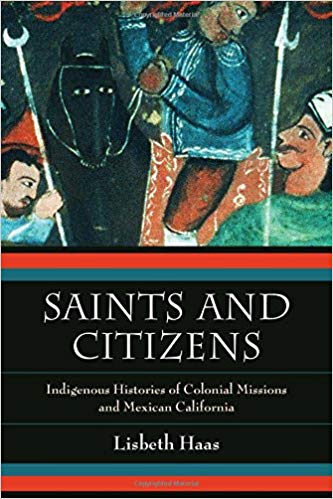
Cover of the book Saints and Citizens by Lisbeth Haas

Download the handout of group activities

Filed Under: Material from class sessions

Puritans and historical revision

Puritans and historical revision

by Leslie Madsen · Sep 12, 2019

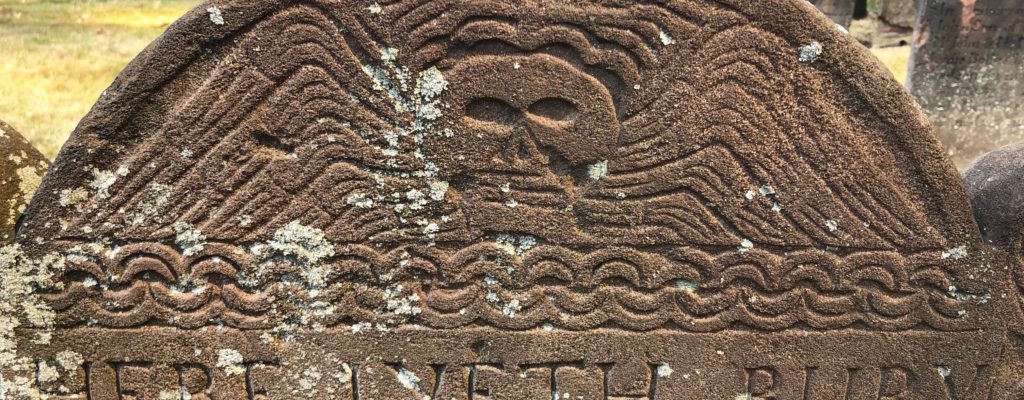
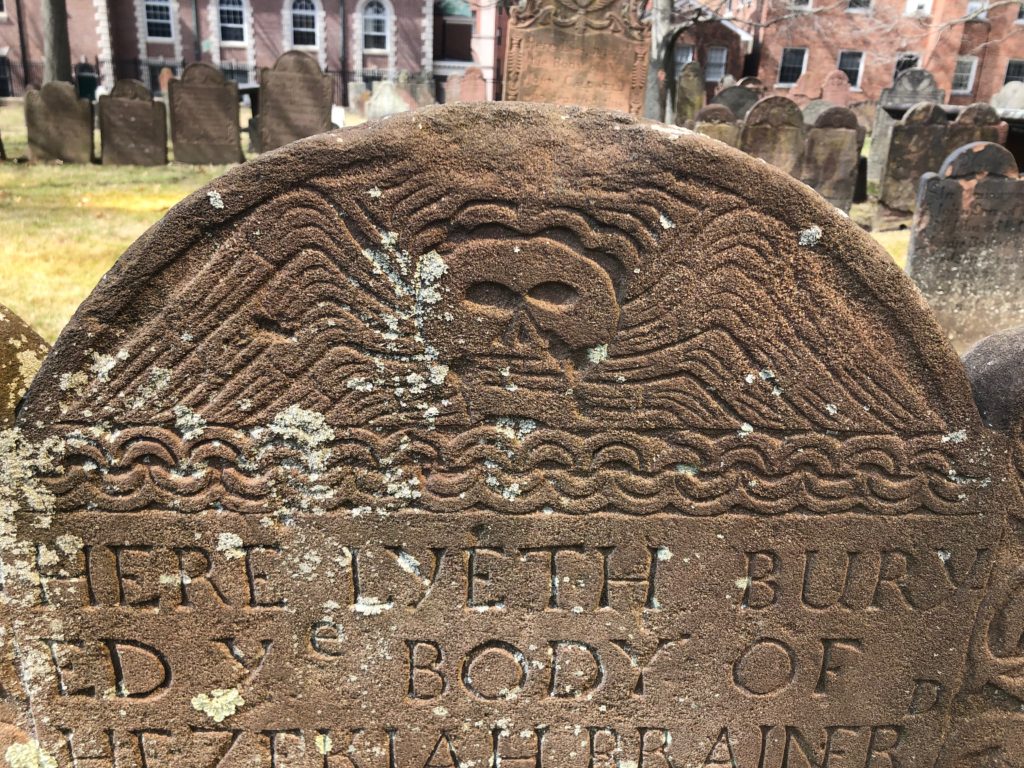
Gravestone featuring winged death's head in Central Church's Ancient Burial Ground, Hartford, CT
Gravestone featuring winged death’s head in Central Church’s Ancient Burial Ground, Hartford, CT. Photo by Leslie Madsen.

Puritans

  • David Stannard, “Death and the Puritan Child”
  • Puritan documents and artifacts from class

Historical revisions

Ana Fota, “What’s Wrong With This Diorama? You Can Read All About It”

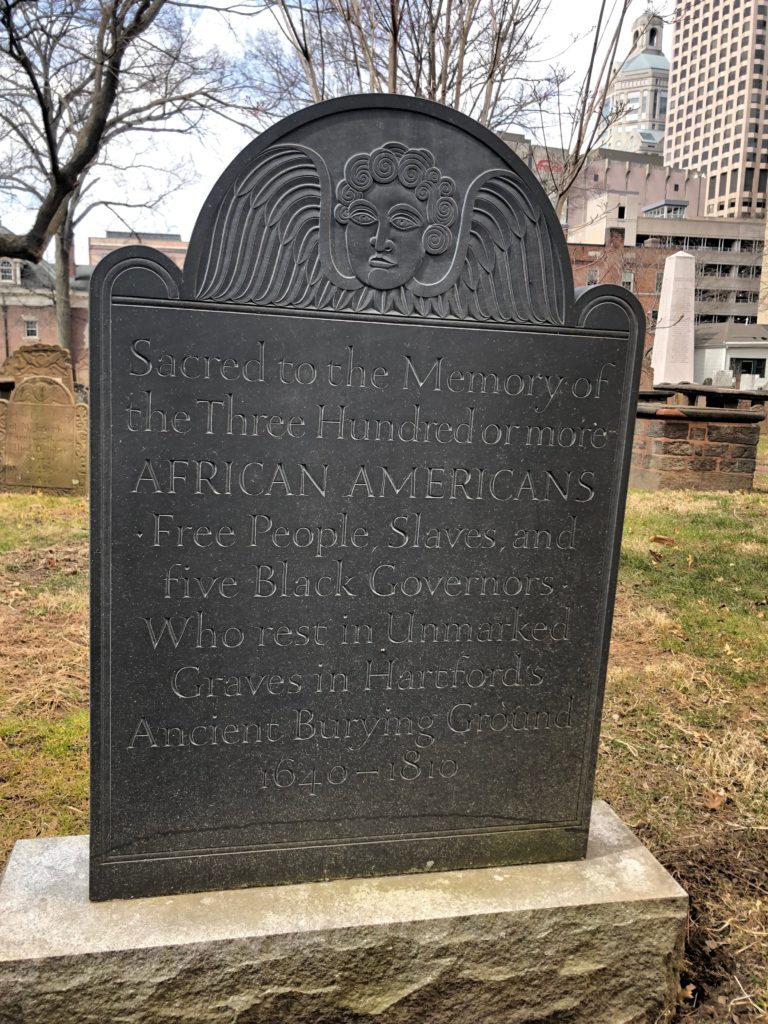
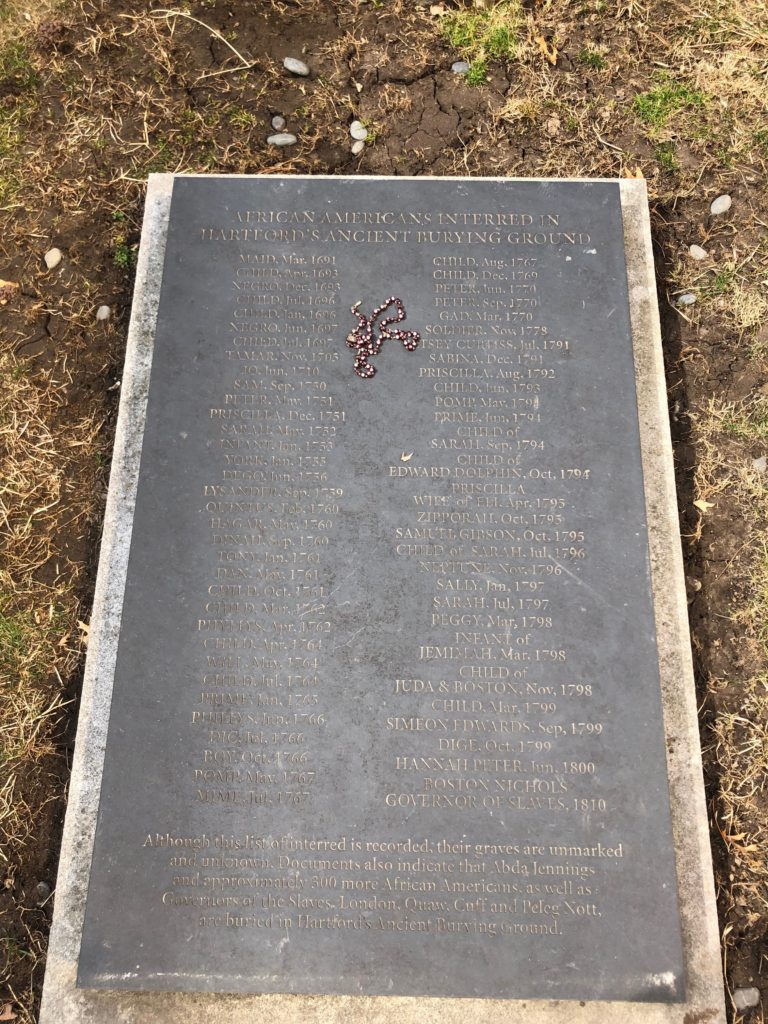
Photos from Central Church’s Ancient Burial Ground, Hartford, CT:

Modern-day headstone, in Puritan style, for the three hundred African Americans buried in the churchyard
Modern-day memorial, in Puritan style, listing the names or occupations of some of the three hundred African Americans buried in the churchyard

Filed Under: Material from class sessions

« Previous Page
Next Page »

Copyright © 2026 · No Sidebar Pro on Genesis Framework · WordPress · Log in