• Skip to primary navigation
  • Skip to main content

History 111

Fall 2019

  • Syllabus
  • Course schedule
  • Assignments
  • Resources

Leslie Madsen

Fugitive Slave Ads and “Last Seen” ads

by Leslie Madsen · Dec 10, 2019

1. Visit the Freedom on the Move website.

  • Click on “Search.”
  • Use a Gmail (your Boise State account should work) or Facebook account to log in and view the ads, or set up an account.
  • Use the worksheet to analyze those ads.

2. Browse the ads on the “Last Seen” archive.

  • Select three ads that are of particular interest.
  • Use the worksheet to analyze those ads.

You can download the worksheet (.docx).

3. Answer these questions:

  • Based on the text of chapters 14 and 15 and the primary sources accompanying those chapters, how did the lives of enslaved peoples change during the Civil War and Reconstruction?
  • To what extent do the ads capture or hint at these changes?
  • What do we learn from reading the ads alongside the American Yawp‘s primary sources that we might miss if we had read only one set of documents?
  • If you were writing a book about this era, what additional kinds of primary sources would you seek, and why?
Filed Under: Material from class sessions

Images for question 3 of the final exam

Images for question 3 of the final exam

by Leslie Madsen · Dec 9, 2019

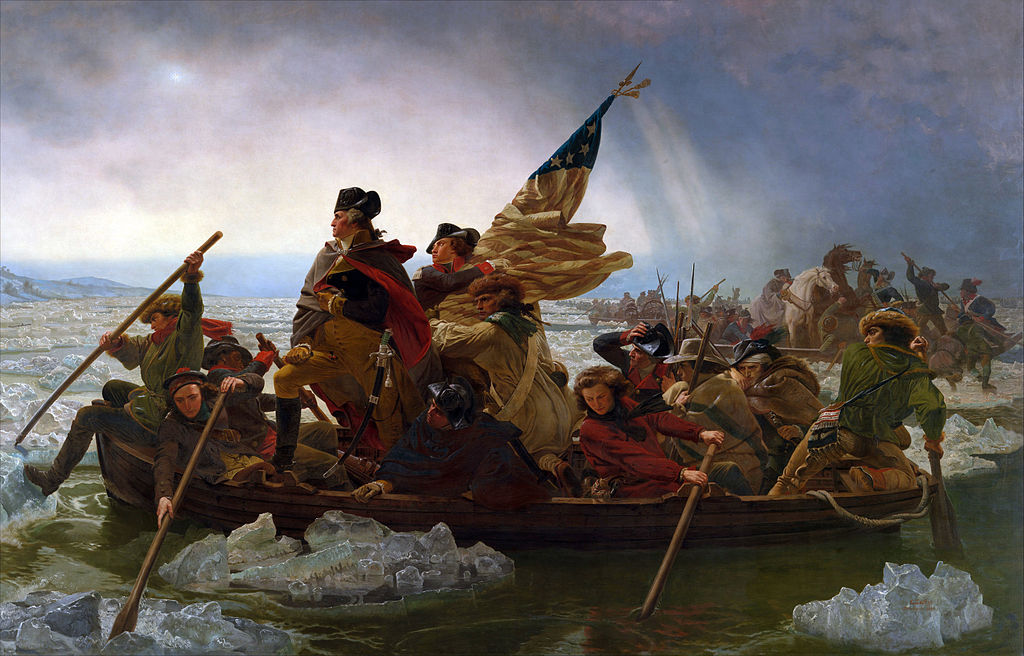
This painting depicts General George Washington in a crowded rowboat crossing an icy river. He is standing, and an American flag flies behind him.
Emanuel Leutze, Washington Crossing the Delaware (1851). Metropolitan Museum of Art, via Wikipedia.
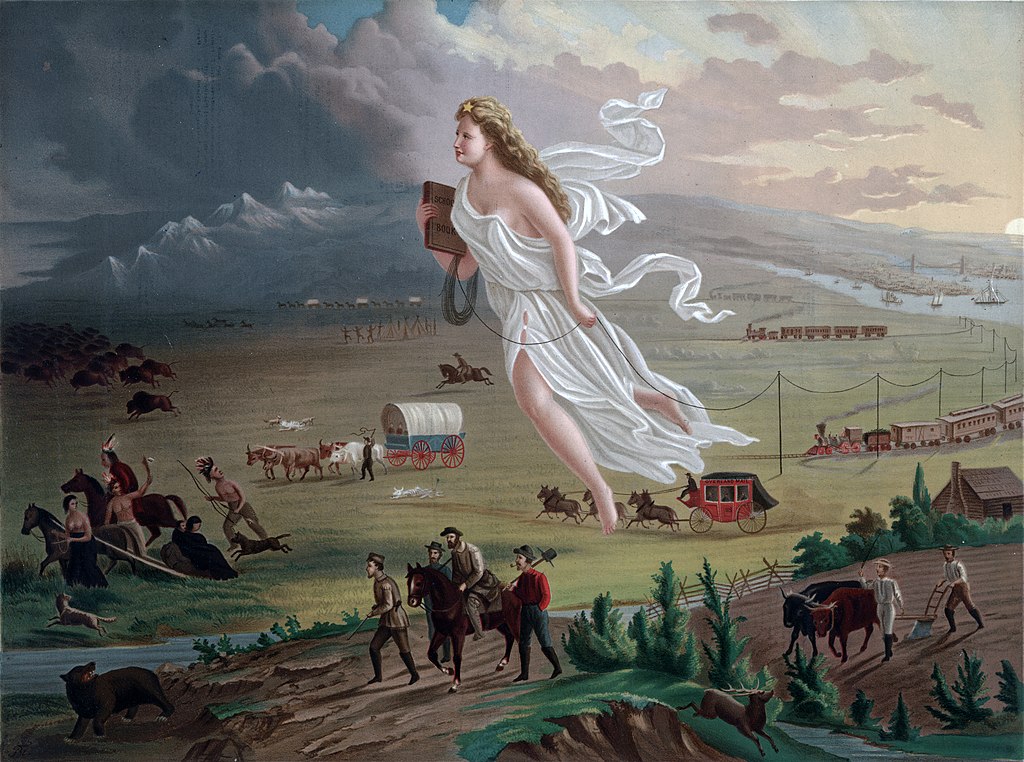
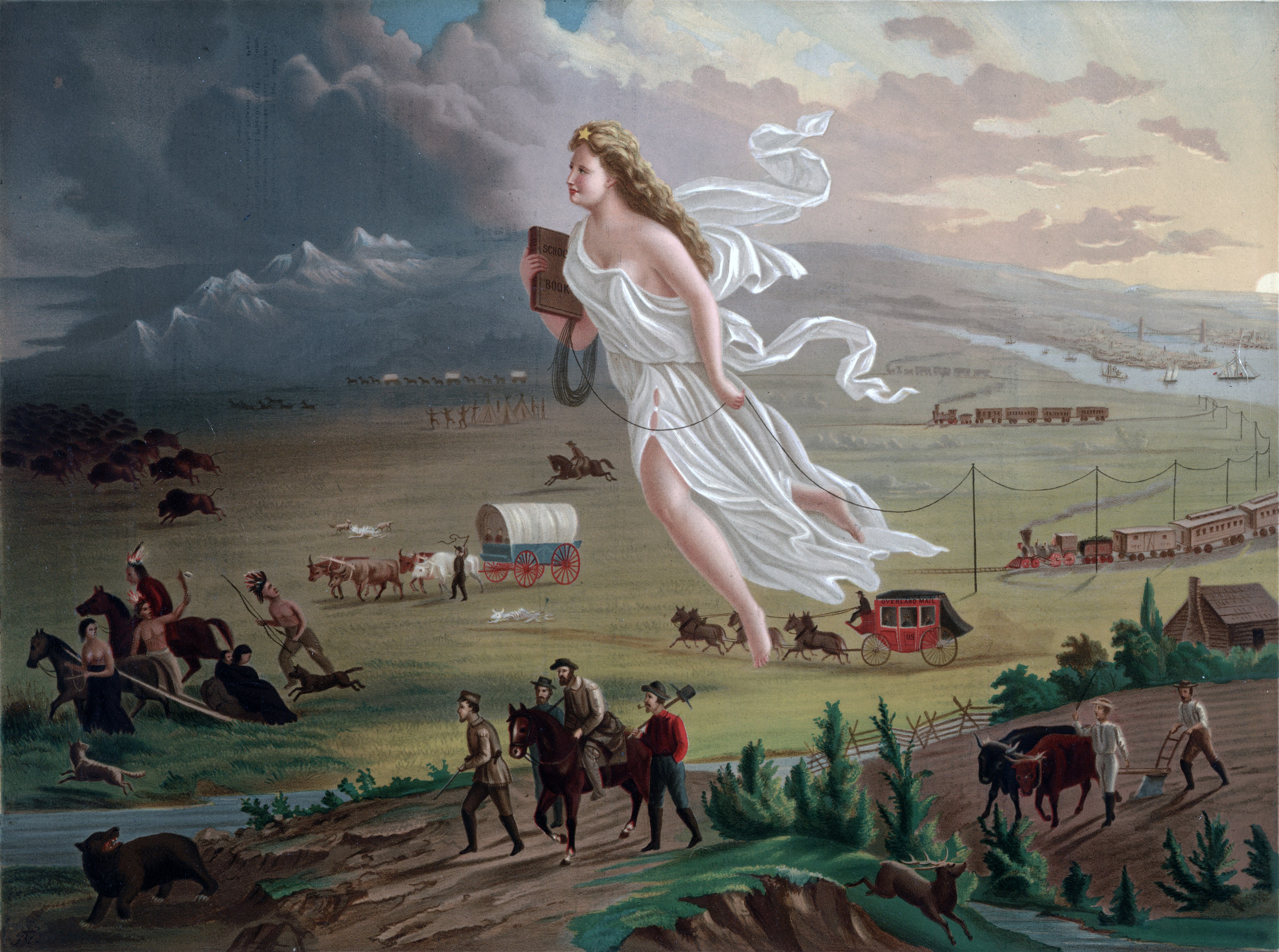
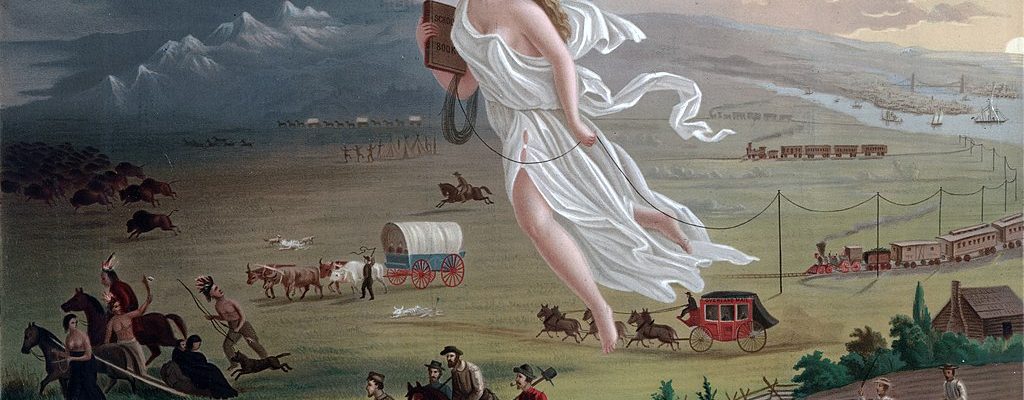
John Gast's American Progress. A woman in flowing gowns hovers over the plains, guiding Native peoples, pioneers, farmers, and trains as she strings telegraph wire.
John Gast, American Progress (1872). Autry National Center, via Wikimedia Commons.
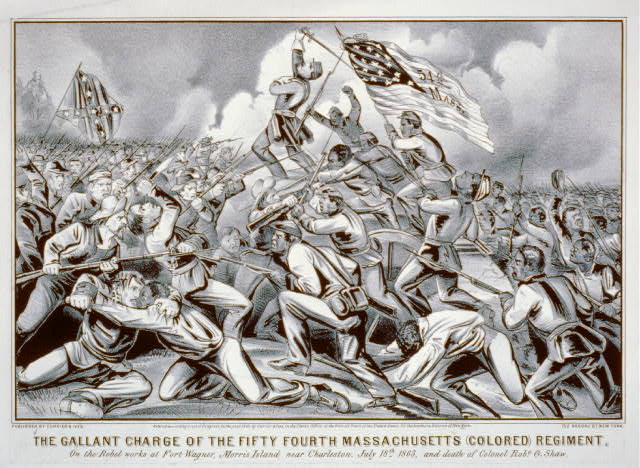
Black and white lithograph of black Union soldiers and white Confederate soldiers fighting in close quarters. One white Union officer is above the rest and is gripping his chest. A black Union soldier carries a U.S. flag immediately behind him.
Currier & Ives, The gallant charge of the fifty fourth Massachusetts (colored) regiment: on the rebel works at Fort Wagner, Morris Island, near Charleston, July 18th 1863, and death of Colonel Robt. G. Shaw, 1863. Via Library of Congress.
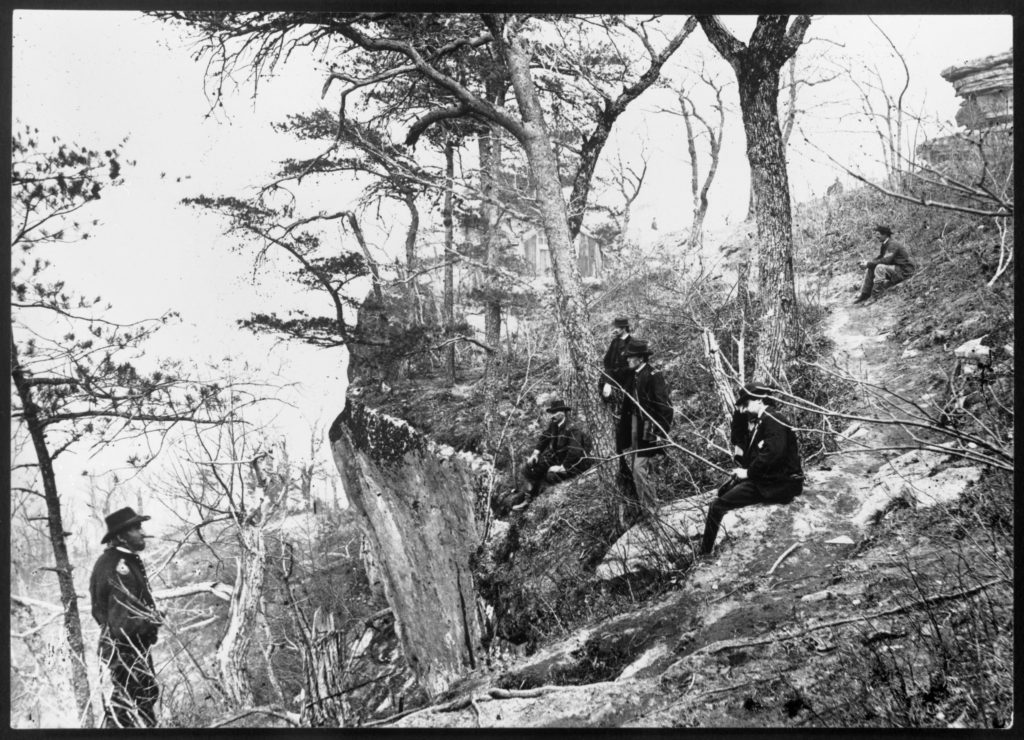
General Grant, cigar in his mouth, stands near a precipice on a hillside. At least five other men, several of them officers, are also on the hillside. Grant looks to the photo's right, while the other men are looking toward the left of the photo, likely toward a battlefield.
General Grant on Lookout Mountain, 1863. Via Tennessee Virtual Archive.
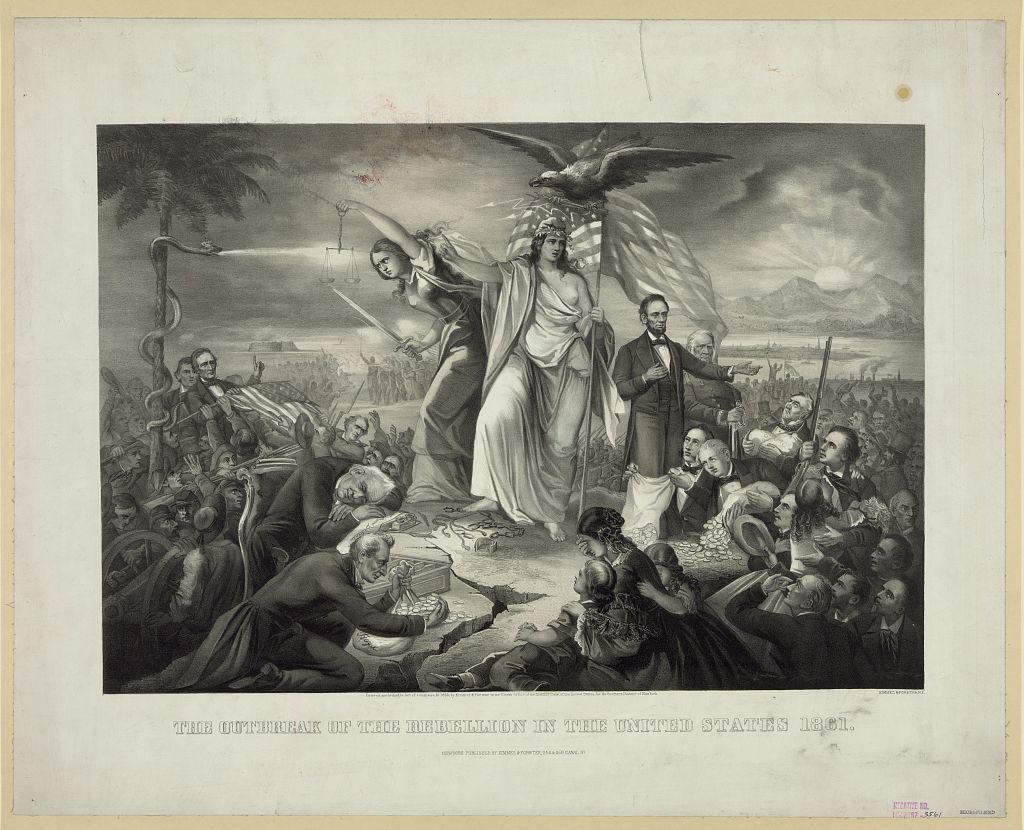
In the center stands Liberty, wearing a Phrygian cap and a laurel wreath. She is flanked by the figures of Justice (unblindfolded, holding a sword and scales) and Abraham Lincoln. Principal figures (from left to right) are: Confederate president Jefferson Davis (beneath a palm tree about whose trunk winds a poisonous snake), James Buchanan (asleep), his secretary of war John B. Floyd, who was accused of misappropriation of government funds (raking coins into a bag), Justice, Columbia, Lincoln, Gen. Winfield Scott (in military uniform), and various figures exemplifying the generosity and suffering of the Northern citizenry. The left foreground is filled with Confederate soldiers, some of them engaged in tearing the Union flag from the hands of other soldiers. In the background are scenes of war. In contrast, on the right, the sun rises over mountains in the distance beyond a prosperous countryside.
Christopher Kimmel, The Outbreak of the Rebellion in the United States, 1861. Via Library of Congress.
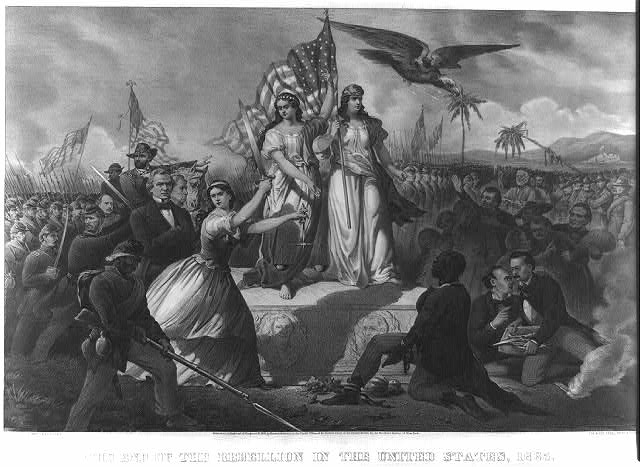
Columbia, crowned with stars, and Liberty, wearing a Phrygian cap and holding an American flag, stand on a pedestal in the center. On the pedestal are carved the likenesses of George Washington and Abraham Lincoln. In front of the pedestal Justice, armed with sword and scales, leads a charge of Union troops toward the right. Immediately behind Justice stands President Andrew Johnson, and behind him Union generals Butler, Grant, and Sherman are visible. A black soldier stands in the foreground and a freed slave kneels before Liberty's pedestal. An eagle bearing thunderbolts flies overhead, also toward the right, where the vanquished Confederates are gathered. Jefferson Davis (holding a sack of money), Robert E. Lee (offering his sword in surrender), and John Wilkes Booth (with a pistol and knife) are prominent among them. In the distance are a leaning palmetto tree with a dead serpent hanging limp from it and (beyond) Fort Sumter flying an American flag.
Christopher Kimmel, The End of the Rebellion in the United States, 1865. Via Library of Congress.
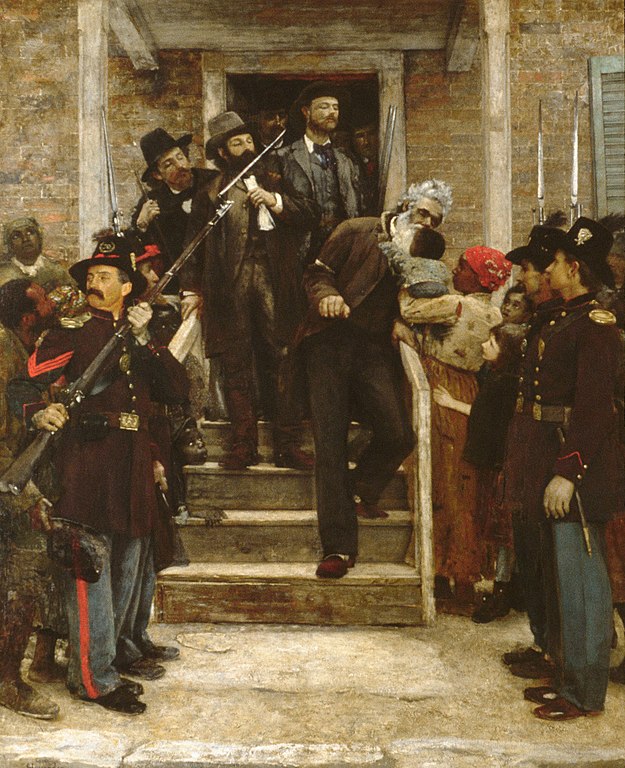
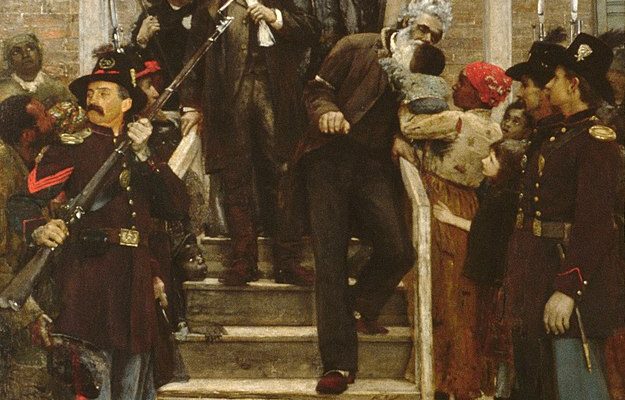
Painting "The Last Moments of John Brown," which depicts John Brown kissing an African-American baby as he descends the steps from the jail on his way to the scaffold.
Thomas Hovenden, The Last Moments of John Brown (circa 1882-1884). Metropolitan Museum of Art, via Wikimedia Foundation.
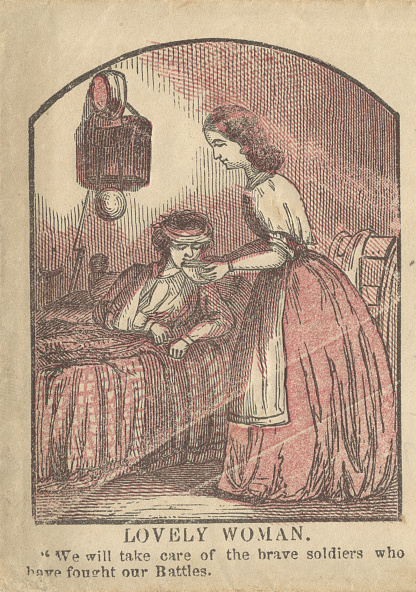
Civil War envelope showing woman nursing soldier with message "Lovely woman. We will take care of the brave soldiers who have fought our battles"
Image from Civil War envelope. 1861-1865. Via Library of Congress.
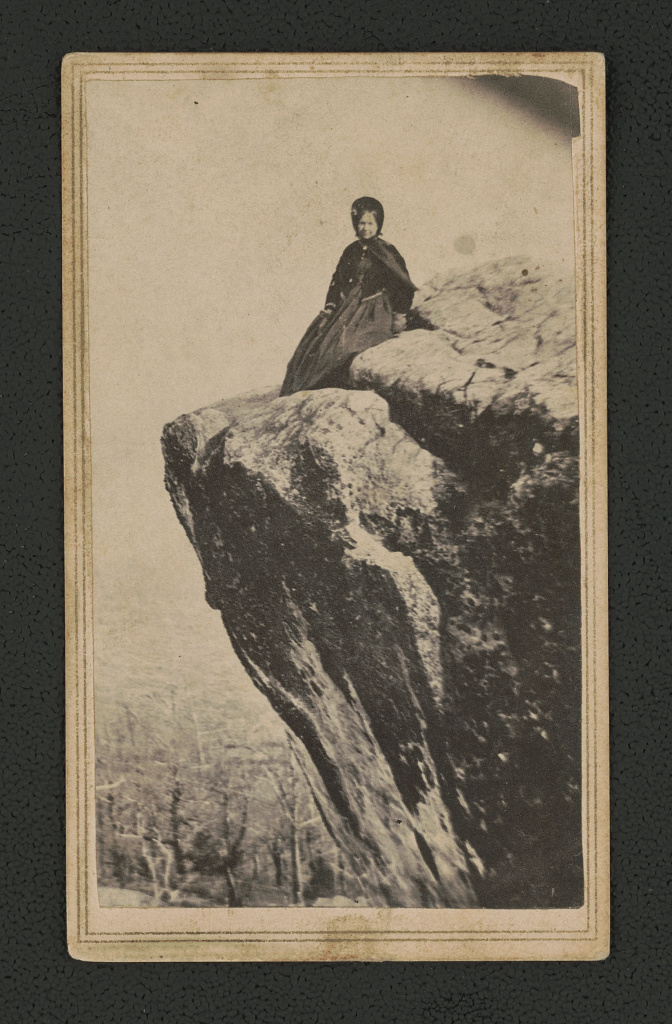
Photograph shows nurse Grace sitting on a rocky ledge. She is wearing dark clothes and a dark bonnet.
Thomas J. Merritt, Grace Babcock, Civil War nurse, sitting atop Lookout Mountain. 1860s. Via Library of Congress.
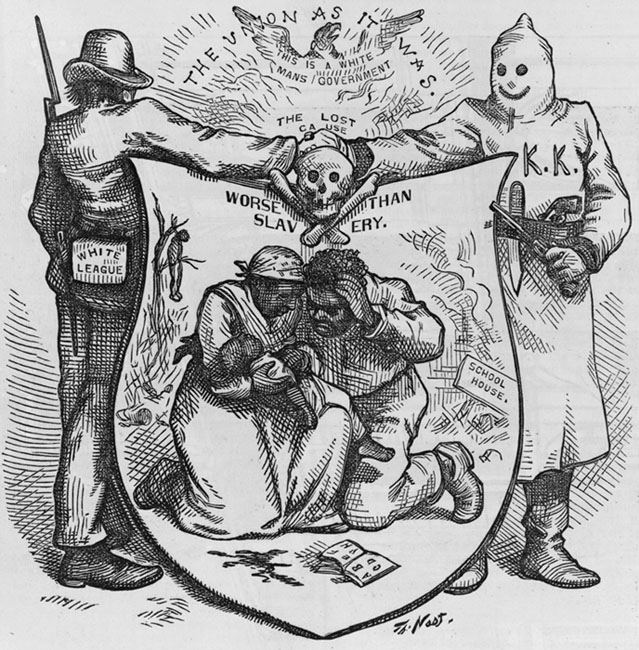
Man labeled "White League" shaking hands with Ku Klux Klan member over shield illustrated with African American couple with possibly dead baby. In background, man hanging from tree.
Thomas Nast, “The Union as it was / The lost cause, worse than slavery.” Harper’s Weekly, v. 18, no. 930 (24 Oct 1874), p. 878. Via Library of Congress.

Filed Under: Resources

Resources for December 5 – Civil War, Culinary History, White Reluctance

Resources for December 5 – Civil War, Culinary History, White Reluctance

by Leslie Madsen · Dec 5, 2019

More videos with Jon Townshend and Michael Twitty

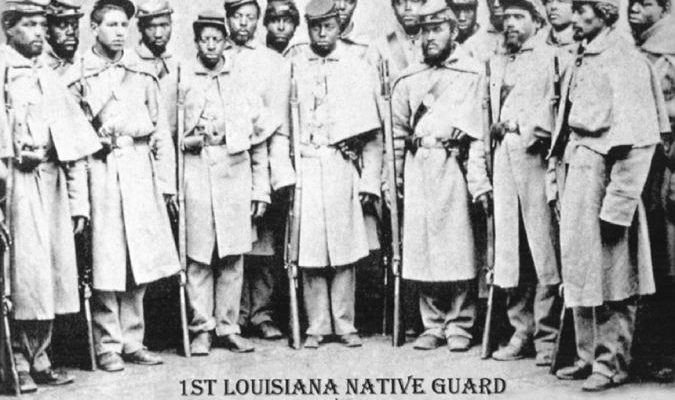
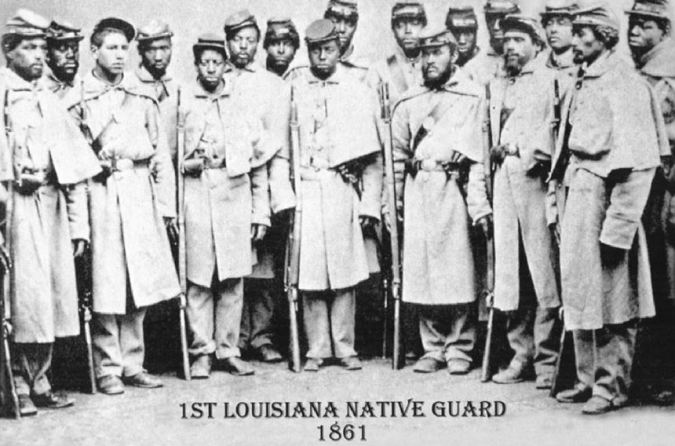
An photo of black Union soldiers intentionally altered to make them appear to be wearing gray coats.
Be careful with sources online! See “The Modern Falsification of a Civil War Photograph.”

Filed Under: Uncategorized

Sectionalism handouts

Sectionalism handouts

by Leslie Madsen · Dec 3, 2019

Painting "The Last Moments of John Brown," which depicts John Brown kissing an African-American baby as he descends the steps from the jail on his way to the scaffold
Thomas Hovenden, The Last Moments of John Brown (circa 1882-1884). Metropolitan Museum of Art, via Wikimedia Foundation.

Sectionalism timeline/activity (.docx)

Primary source document analysis worksheet (.docx) (version with current events question)

Filed Under: Material from class sessions

Resources for Chapter 12

Resources for Chapter 12

by Leslie Madsen · Nov 21, 2019

Artifact analysis worksheet (.docx)

Comparing/synthesizing artworks questions (.docx)

John Gast's American Progress. A woman in flowing gowns hovers over the plains, guiding Native peoples, pioneers, farmers, and trains as she strings telegraph wire.
John Gast, American Progress (1872). Autry National Center, via Wikimedia Commons.
In this painting, various migrants head west across a rocky, mountainous, and forested North American landscape.
Emanuel Leutze, Westward the Course of Empire Takes Its Way (1862). Architect of the Capitol, via Flickr.
This painting depicts General George Washington in a crowded rowboat crossing an icy river. He is standing, and an American flag flies behind him.
Emanuel Leutze, Washington Crossing the Delaware (1851). Metropolitan Museum of Art, via Wikipedia.
Rustic campsite on the edge of a lake or river. Rowboat with two small figures in the foreground.
Robert S. Duncanson, Landscape with Campsite (n.d., but mid-19th century, as Duncanson died in 1872). Smithsonian American Art Museum.

Filed Under: Material from class sessions

Resources for chapters 8 & 9

Resources for chapters 8 & 9

by Leslie Madsen · Nov 14, 2019

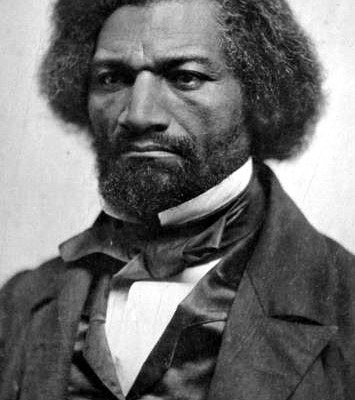
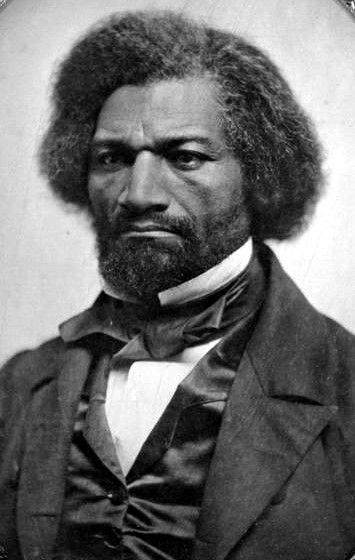
Photographic portrait of Frederick Douglass, circa 1855, when he was about 38 years old
Photographic portrait of Frederick Douglass, circa 1855, when he was about 38 years old. National Portrait Gallery, via Wikipedia.

List of terms for mind-mapping exercise (.docx)

Chapter 9 primary source discussion questions (.docx)

Filed Under: Material from class sessions

Jefferson-Hemings resources

Jefferson-Hemings resources

by Leslie Madsen · Nov 5, 2019

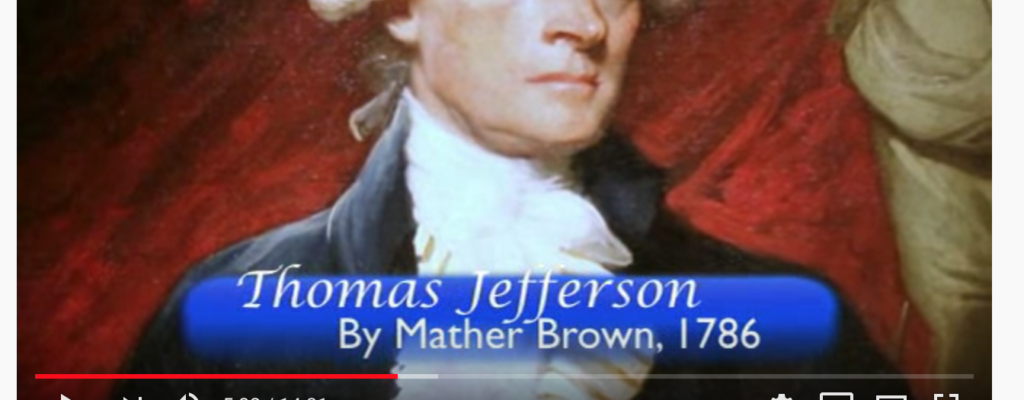
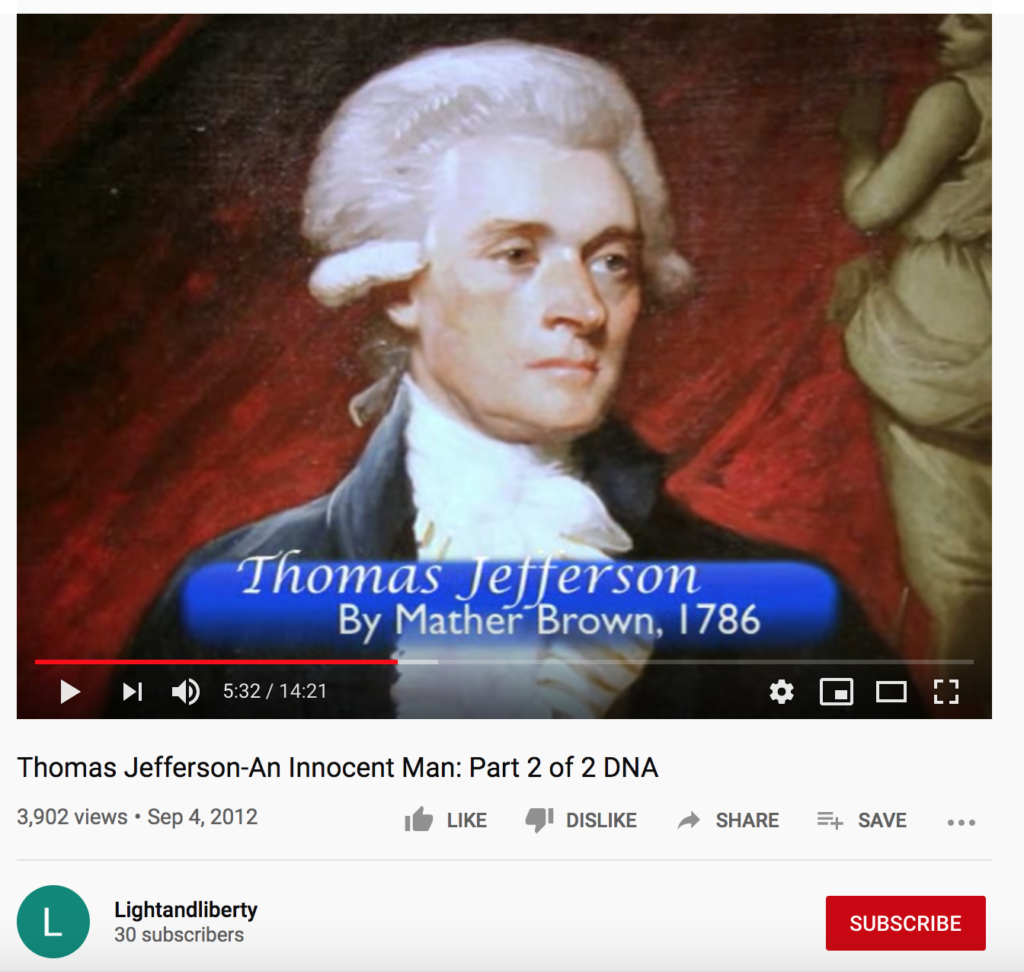
A screen shot of a video claiming Jefferson is "innocent" of having a relationship with Sally Hemings.
A screen shot of a video claiming Jefferson is “innocent” of having a relationship with Sally Hemings.

Activity #1: Look at the evidence and its interpretation by scientists and historians.

Group 1

  1. Read Jefferson fathered slave’s last child: the DNA study published in Nature.
  2. Draw (on a whiteboard) a chart explaining the family tree and the findings. (Yes, we know this isn’t easy. Do your best.)
  3. Do you as a group find the DNA study convincing? Why or why not?
  4. Which is more persuasive to you—the kinds of historical and cultural evidence presented by Walker and other historians, or the scientific evidence? Why?
  5. What does Walker’s book have to say about the persuasiveness of the DNA evidence?

Group 2

  1. Read the Report of the Research Committee – focus on sections III, IV, and V.
  2. Summarize the findings in bullets on a whiteboard.
  3. Do you find the Research Committee’s findings persuasive? Why or why not?
  4. Which is more persuasive to you—the kinds of historical and cultural evidence presented by Walker and other historians, or the scientific evidence? Why?
  5. In what ways does this report align with Walker’s arguments in his book?

Group 3

  1. Read Minority Report on the DNA findings.
  2. Summarize the findings in bullets on a whiteboard.
  3. Do you find the Minority Report’s findings persuasive?
  4. Which is more persuasive to you—the kinds of historical and cultural evidence presented by Walker and other historians, or the scientific evidence? Why?
  5. Clarence Walker refutes the counter-arguments presented by historians in the Minority Report and elsewhere. What kinds of evidence does he use in his rebuttals? Is his persuasive?

Activity #2: Large-group discussion of the various sources

  • What surprised you?
  • If you are undecided, what additional information would you need to come to a conclusion?
  • What kinds of sources would change your mind to come to a different conclusion?
  • Did looking at these other sources change your perception of Walker’s book? If so, why and how? If not, why not?

Activity #3: Reflection (if time permits)

  1. What did you learn today about how historians think and do their work?
  2. What do you still want to learn? Where would you look to find that information?

Filed Under: Material from class sessions

Next Page »

Copyright © 2026 · No Sidebar Pro on Genesis Framework · WordPress · Log in