• Skip to primary navigation
  • Skip to main content

History 111

Fall 2019

  • Syllabus
  • Course schedule
  • Assignments
  • Resources

Material from class sessions

Finding and making sense of primary sources

Finding and making sense of primary sources

by Leslie Madsen · Oct 15, 2019

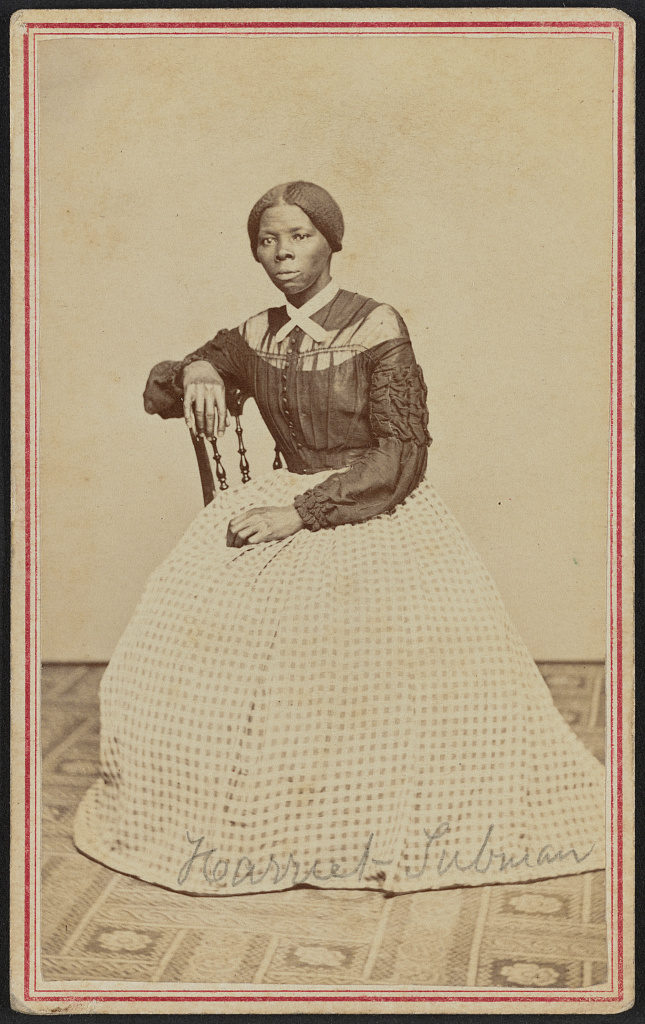
Photograph shows Harriet Tubman (1822-1913) at midlife. She is seated, turned toward the left. One hand rests on the back of a wooden chair, another rests in her lap.
Portrait of Harriet Tubman by Benjamin Powelson, circa 1868. Library of Congress Prints and Photographs Division.

Where to find primary sources

  • Library of Congress Digital Collections
  • Digital Public Library of America
  • The National Archives
  • Albertsons Library’s guide to primary sources, especially these sections:
    • United States
    • U.S. West (includes indigenous history)
    • Women’s history
    • Idaho history
    • Newspapers

Reading aids

Primary source worksheets from the National Archives—scroll to the bottom and select from the list at lower right. These can help you make sense of photos, artwork, artifacts, documents, etc.
Dr. Madsen’s primary source document worksheet (Word doc)

Filed Under: Material from class sessions

Class resouces, 9/24 – 10/3

by Leslie Madsen · Oct 3, 2019

Counseling Services at Boise State University

From the Counseling Services website:

Individual counseling at Boise State Counseling Services are short and solution focused. In these sessions, you’ll have the chance to work one-on-one with a counselor in a confidential setting to address personal issues that may be psychological, developmental, behavioral, social, or academic in nature. Personal issues commonly addressed in short-term counseling are:

  • stress
  • anxiety
  • depression
  • anger
  • loneliness, guilt
  • low self-esteem
  • grief
  • performance anxiety
  • perfectionism
  • low motivation
  • identity development
  • gender / sexual orientation issues /adjustment
  • life transitions

Other issues may include effects of trauma, sexual assault, abuse, spirituality, body image, concerns with alcohol and other drugs, and healthy lifestyle choices.

In your first session, your counselor will help identify your immediate concerns and collaborate with you on a treatment plan tailored to meet your needs. If it is determined that your needs are greater than what Counseling Services has the capacity to provide we will work with you on getting connected to a community provider who can more adequately support you.

Slavery

Slave Voyages, a database that holds records of the trans-Atlantic and intra-American trade in enslaved people. It also offers the African Names Database, which “displays the African name, age, gender, origin, country, and places of embarkation and disembarkation of each individual.” You can explore image galleries there as well.

If you’re studying to be a teacher, you can find educational materials accompanying the 1619 project at the Pulitzer Center website.

Upstanders

International Coalition of Sites of Conscience: You can use the member list to find Sites of Conscience, each of whose websites might reveal some U.S. American historical figures who were upstanders.

Filed Under: Material from class sessions

Cultural Confluence/Saints and Citizens, Day 1

Cultural Confluence/Saints and Citizens, Day 1

by Leslie Madsen · Sep 17, 2019

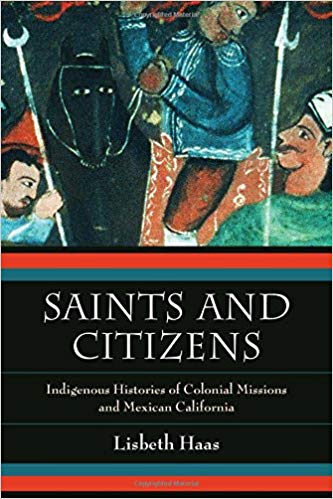
Cover of the book Saints and Citizens by Lisbeth Haas

Download the handout of group activities

Filed Under: Material from class sessions

Puritans and historical revision

Puritans and historical revision

by Leslie Madsen · Sep 12, 2019

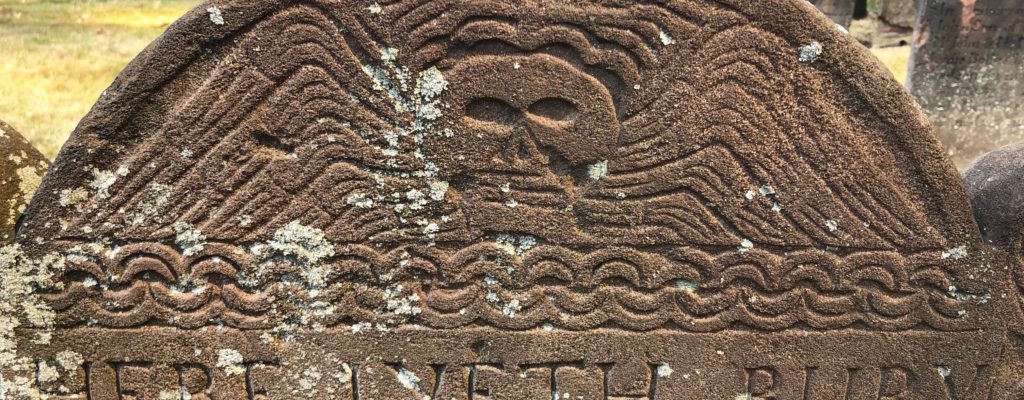
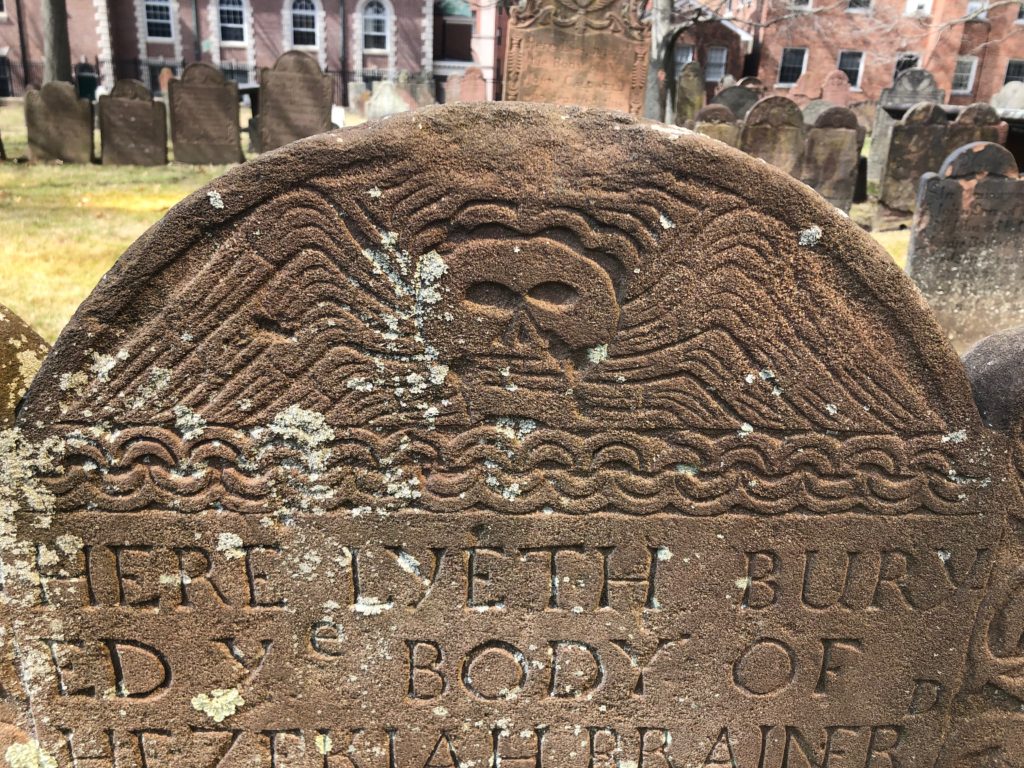
Gravestone featuring winged death's head in Central Church's Ancient Burial Ground, Hartford, CT
Gravestone featuring winged death’s head in Central Church’s Ancient Burial Ground, Hartford, CT. Photo by Leslie Madsen.

Puritans

  • David Stannard, “Death and the Puritan Child”
  • Puritan documents and artifacts from class

Historical revisions

Ana Fota, “What’s Wrong With This Diorama? You Can Read All About It”

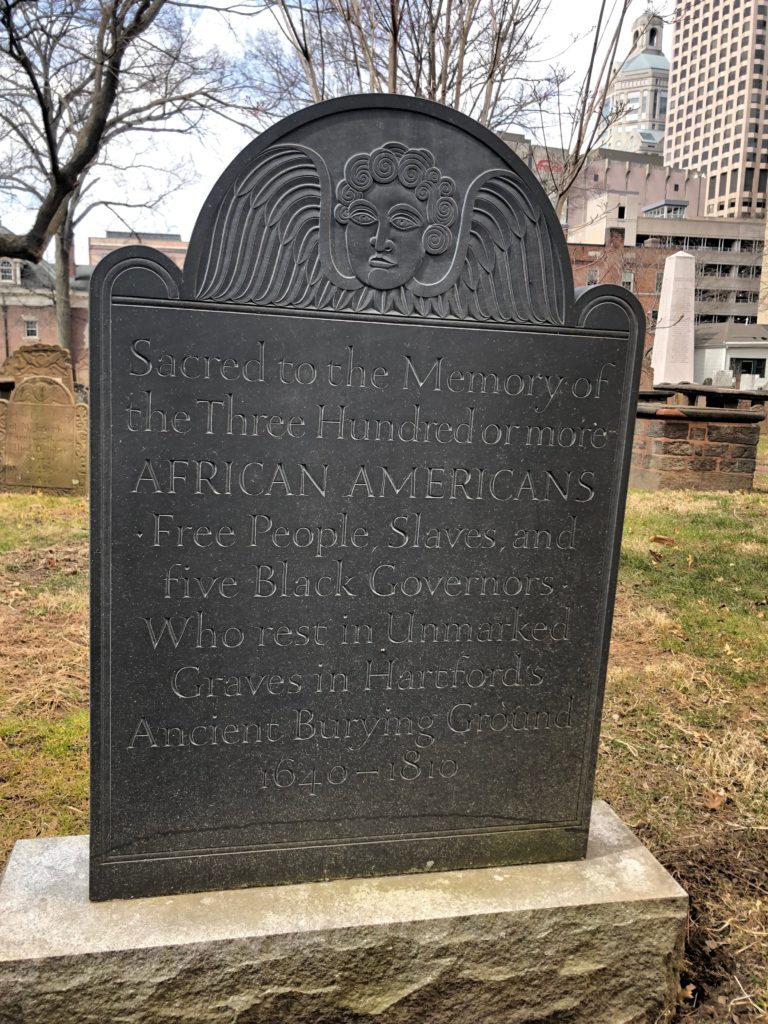
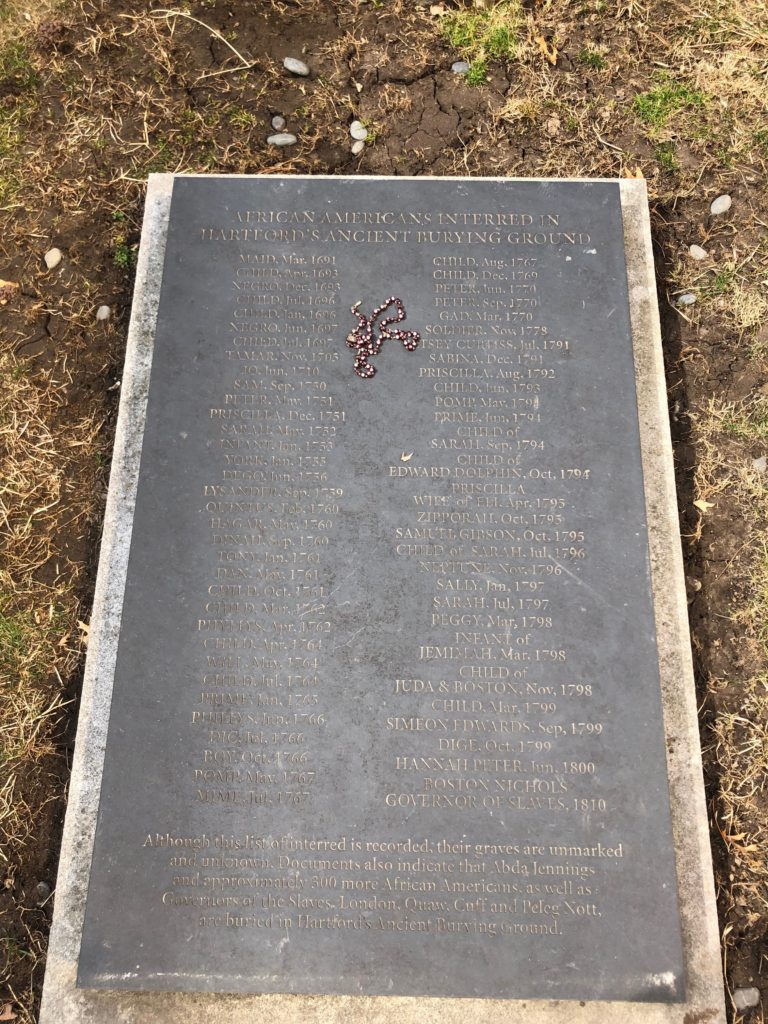
Photos from Central Church’s Ancient Burial Ground, Hartford, CT:

Modern-day headstone, in Puritan style, for the three hundred African Americans buried in the churchyard
Modern-day memorial, in Puritan style, listing the names or occupations of some of the three hundred African Americans buried in the churchyard

Filed Under: Material from class sessions

Colonization patterns

by Leslie Madsen · Sep 10, 2019

Download the handout for this activity.

Filed Under: Material from class sessions

Indigenous peoples, colonizers, and whiteness

Indigenous peoples, colonizers, and whiteness

by Leslie Madsen · Sep 5, 2019

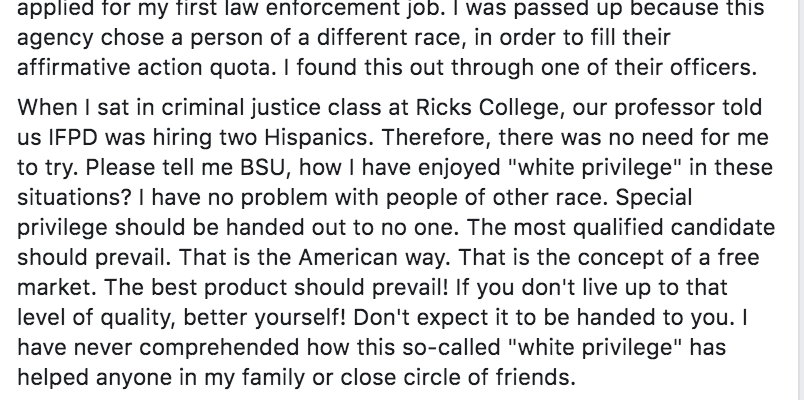
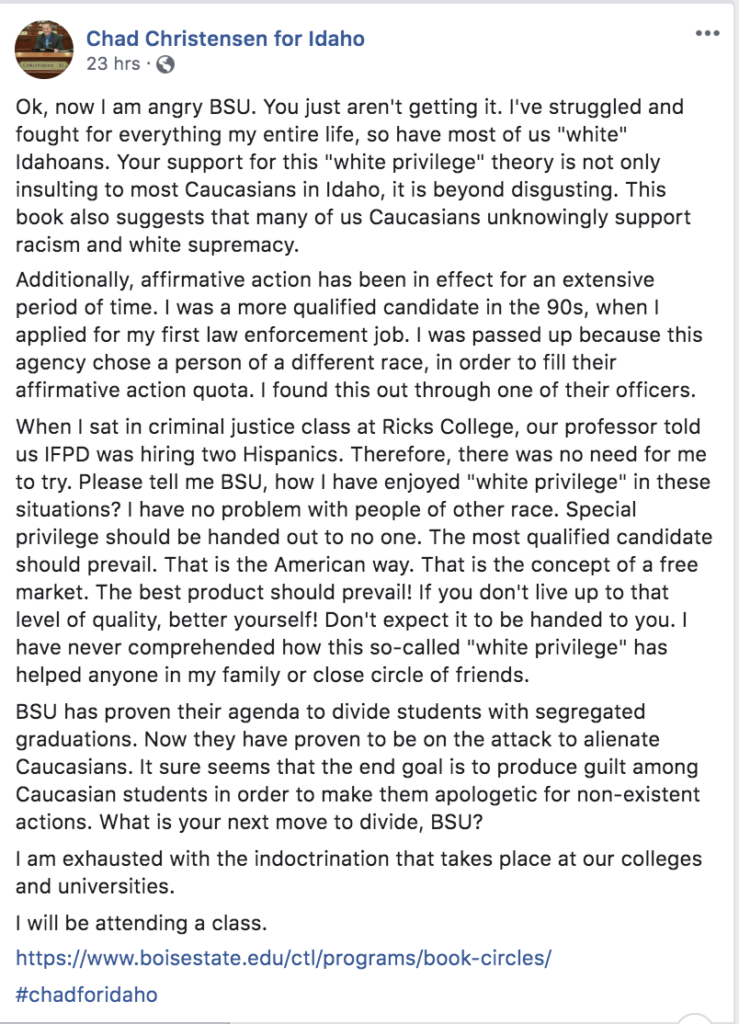
Screen shot of Chad Christensen's Facebook post, which is linked to later on this page

As we see in the primary sources for today’s class, there’s a long history of white Europeans and Americans describing indigenous Americans in ways that are personally, politically, and economically useful to white people. Their descriptions of indigenous peoples have led many historians, sociologists, anthropologists, cultural studies scholars, and others to delve into how colonizers have constructed whiteness.

This conversation continues today in both scholarly and popular circles. Just yesterday, even though he does not reference Native peoples, Idaho state Representative Chad Christensen posted on Facebook about the What Does It Mean to Be White? book circles at Boise State. In his post and in the comments on it, Christensen and his overwhelmingly white followers grapple with what it means to be white, and they characterize others—”Hispanics,” “Black colleges,” “mixed races black and Hispanic and something else,” as well as faculty and professional staff at Boise State—in opposition to themselves, and they do so in ways that suggest they have a fairly clear, albeit largely unarticulated, sense of what it means to be white in 21st-century Idaho.

Resources mentioned in class

Whiteness and “The Idaho Way”

  • Idaho state Representative Chad Christensen’s post about the What Does It Mean to Be White? book circles
  • Info on Boise State book circles reading What Does It Mean to Be White?
  • Boise State University has a copy of What Does It Mean to Be White? available at the Library Circulation Reserve desk
  • Opinion piece by Robin DiAngelo, author of What Does It Mean to Be White?, that summarizes her research and perspective
  • Letter from 28 Idaho state legislators to Boise State President Marlene Tromp

Primary sources/questions

  • New World primary sources from chapter 1 of The American Yawp Reader
  • Handout with questions about the sources (Word doc)

Filed Under: Material from class sessions

The New World, race, blood quantum

The New World, race, blood quantum

by Leslie Madsen · Sep 3, 2019

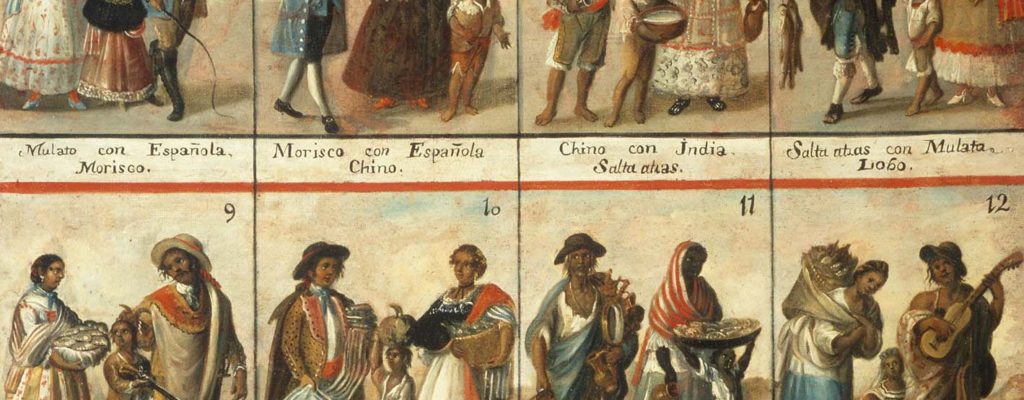
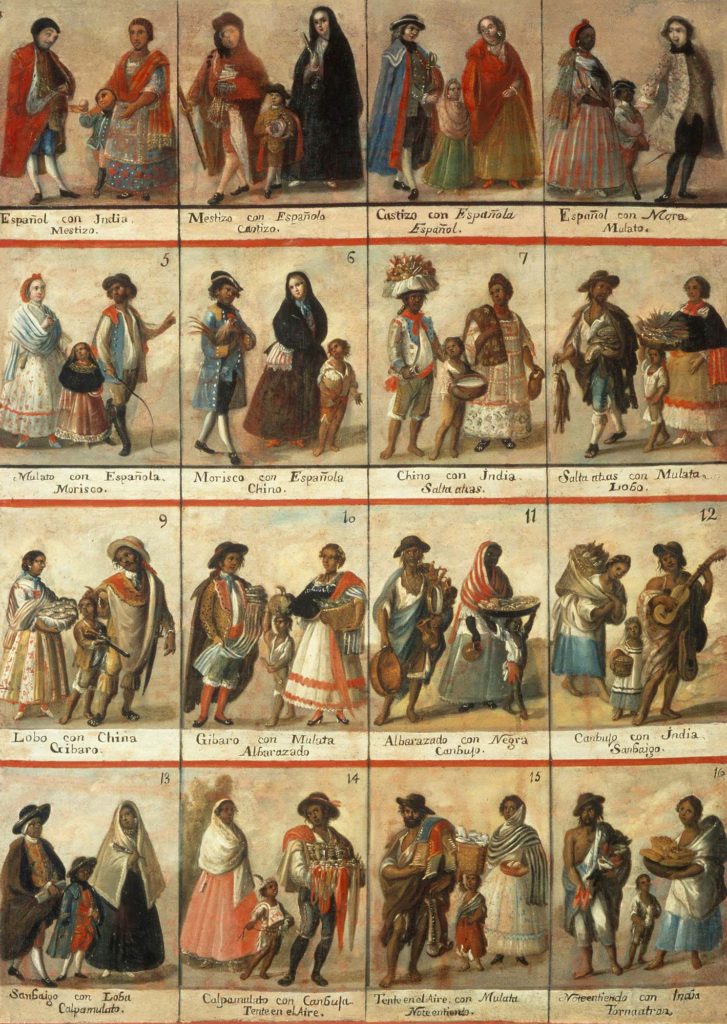
Unknown artist, “Las Castas,” Museo Nacional del Virreinato, Tepotzotlan, Mexico, via The American Yawp Reader.

Resources mentioned in class:

  • Blank world map
  • Code Switch, “So What Exactly is ‘Blood Quantum’?”
  • Tell Me More, “Who Is Native American, And Who Decides That?”

Filed Under: Material from class sessions

« Previous Page
Next Page »

Copyright © 2026 · No Sidebar Pro on Genesis Framework · WordPress · Log in